Integrating Floral Number 0 Cutting Files into Professional and Personal Design Workflows
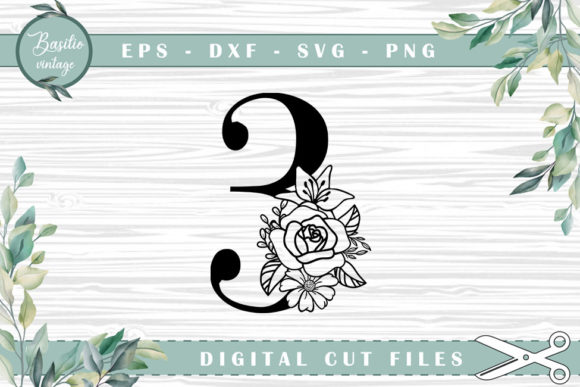
The intersection of typography and botanical illustration creates a distinct aesthetic that resonates across various crafting and design disciplines. When creators seek to merge numerical data with organic beauty, Floral Number 0 Cutting Files serve as a critical digital asset. These specialized vector graphics are not merely decorative elements; they are functional design components that bridge the gap between rigid information and soft, natural artistry. Understanding the technical specifications, material applications, and workflow considerations of these files is essential for anyone looking to produce high-quality physical goods, whether for commercial sale or personal expression.
Technical Specifications and File Format Versatility
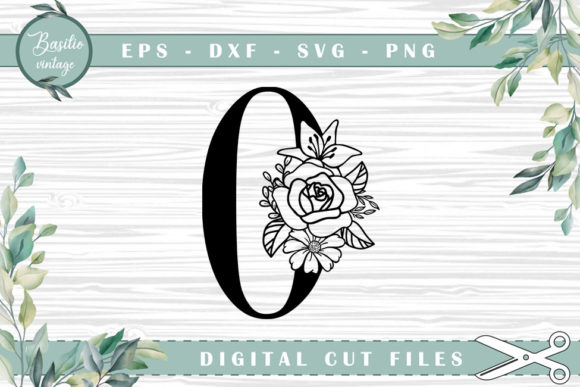
The utility of any digital cutting file relies heavily on its format compatibility and resolution. For designers using Floral number 0 cutting files, the package typically includes a comprehensive suite of editable formats: SVG, PNG, DXF, and EPS. Each format serves a specific purpose within the production pipeline. The SVG (Scalable Vector Graphics) format is the industry standard for cutting machines like Cricut Design Space and Silhouette Studio because it retains path data without pixelation, allowing for infinite scaling. This is particularly important when resizing a numeral zero from a small jewelry tag to a large window decal.
Included PNG files are rendered at 300 PPI (Pixels Per Inch), ensuring that if the design is used for sublimation printing or digital mockups rather than cutting, the edges remain crisp and the floral details distinct. The DXF and EPS formats cater to professional users operating in Sure Cuts A Lot, CanvasWorkspace, or Adobe Illustrator. These formats preserve node structures more rigorously, allowing advanced users to manipulate individual petals or leaves within the number’s silhouette without breaking the compound path. All assets are delivered compressed in Winzip, requiring extraction before use. It is vital to note that while the preview images may display watermarks, the actual downloaded files are clean and ready for immediate production.
Material Selection for Botanical Typography
The intricate nature of floral numerals dictates specific material choices. Unlike block letters, a floral zero contains internal negative spaces and delicate connecting points that can be challenging to weed or cut if the substrate is inappropriate. Vinyl remains the most versatile medium for these designs. When applying Floral Number 0 Cutting Files to apparel via Heat Transfer Vinyl (HTV), professionals should opt for smooth-finish vinyls rather than glitter or flock. The fine lines of the botanical illustration require a material that releases cleanly from the carrier sheet. Testing a small section of the design at a lower temperature can prevent scorching the delicate inner bridges of the numeral.
For permanent applications, such as glass panes, mirrors, or ceramic mugs, adhesive vinyl offers excellent durability. However, the complexity of the floral zero means that transfer tape selection is crucial. A medium-to-high tack transfer tape is often necessary to lift the intricate inner pieces of the flower-number hybrid without distorting the overall shape. When working with glass specifically, the transparency of the material allows the floral zero to function as both a positive and negative image, depending on lighting conditions. This duality makes these cutting files particularly valuable for home decor projects where light interaction is a key design element.
Adapting Vector Cuts for Embroidery Digitizing
A unique advantage of receiving editable vector files is the potential for cross-medium adaptation. While Floral Number 0 Cutting Files are engineered for blade-based cutting, their clean paths make them excellent candidates for embroidery digitization. Converting a cut file to an embroidery design requires a shift in mindset from "cutting lines" to "stitch paths." The floral elements within the zero must be reinterpreted as satin stitches or fill patterns rather than continuous outlines.
Digitizers should treat the original SVG or EPS file as a template rather than a direct import. The density of the floral arrangement inside the numeral may need to be simplified to prevent fabric puckering. Because the original files are high-quality vectors, tracing over them in digitizing software is significantly faster than creating a floral numeral from scratch. This workflow expands the product's value proposition, allowing makers to offer matching sets of iron-on vinyl decals and embroidered patches. However, creators must understand that once a file is converted to embroidery format, it becomes a separate entity subject to the limitations of thread and fabric tension.
Software Compatibility and Workflow Integration
Seamless integration into existing software ecosystems is a primary concern for users of digital cutting assets. Floral number 0 cutting files are validated for use across major platforms including Cricut Design Space, Silhouette Studio, Sure Cuts A Lot, and Canvas. In Cricut Design Space, the SVG usually uploads with pre-organized layers, keeping the floral accents grouped logically with the numeral base. This organization saves significant prep time. For Silhouette Studio users, the DXF format is often preferred for the free Basic Edition, as it imports cut lines automatically without requiring the Business Edition upgrade needed for native SVG support.
For those using Sure Cuts A Lot or Canvas, the EPS format provides the highest level of node editability. This is beneficial when a project requires modifying the zero to fit a specific curved surface or when combining multiple zeros to create a pattern. Users should always verify that their software is updated to the latest version to ensure proper rendering of complex compound paths. If a file appears disjointed upon upload, utilizing the "weld" or "unite" function within the software can often resolve layering issues caused by different interpretation standards between programs.
Creative Applications Across Demographics
The versatility of a stylized numeral extends far beyond simple labeling. Educators and homeschoolers utilize Floral Number 0 Cutting Files to create tactile learning materials. A floral zero cut from textured cardstock or felt helps young learners associate numbers with natural forms, engaging multiple sensory pathways. In this context, the file serves an educational function, transforming abstract mathematics into concrete, touchable art. The ability to cut these files on varied materials allows educators to differentiate instruction based on student needs.
In the commercial sector, event planners and wedding stationers leverage these designs for cohesive branding. A floral zero can represent a table number, a year (e.g., 2020, 2030), or a quantity in a way that aligns with botanical wedding themes. Business owners selling personalized gifts find that adding floral elements to utilitarian numbers increases perceived value. A plain "0" sticker is functional; a floral "0" decal is decorative. This distinction allows for higher price points and broader market appeal. Researchers and archivists may also find niche uses for these files in creating visually distinct cataloging systems or exhibition signage that softens the clinical appearance of numerical data.
Best Practices for Editing and Quality Assurance
While the provided Floral Number 0 Cutting Files are optimized for immediate use, many creators wish to customize the design. It is imperative to approach editing with technical caution. When altering the nodes of a floral vector, one risks creating open paths or overlapping segments that will cause cutting errors. Always maintain a backup of the original, unedited file. If resizing is necessary, do so proportionally to maintain the stroke width of the floral stems; stretching the design non-uniformly can result in stems that are too thin to cut reliably or too thick to look elegant.
Users must be aware that there is no guarantee regarding the quality of the designs once they have been altered, edited, or converted. This limitation exists because third-party modifications introduce variables outside the designer's control. A file that cuts perfectly in its original state may fail after being simplified or distorted in external software. Therefore, rigorous testing on scrap material is non-negotiable after any modification. Additionally, because the files are delivered zipped, proper file management is essential. Extracting files to a dedicated project folder rather than opening them directly from the zip archive prevents corruption and ensures that linked assets remain intact.
Optimizing Production Efficiency
Efficiency in digital crafting comes from understanding the asset's inherent properties. Floral number 0 cutting files are designed with optimized node counts to balance detail with processing speed. Excessively complex vectors can slow down cutting machines or cause buffer errors. The included files strike this balance, but users can further optimize by removing unnecessary anchor points in their vector editor before sending to the cutter. For bulk production, such as creating fifty table numbers for an event, nesting the zeros efficiently on the cutting mat reduces material waste. The symmetrical nature of the zero often allows for tight nesting, especially when the floral elements are oriented consistently.
Understanding the distinction between the watermark-free production file and the watermarked preview prevents costly mistakes. Always verify the filename and visual cleanliness before initiating a cut. The absence of watermarks in the final deliverable ensures a professional finish, which is critical for business owners and serious hobbyists. By respecting the technical parameters and leveraging the multi-format flexibility of these digital illustrations, creators can seamlessly integrate botanical numerals into a wide array of physical products, enhancing both aesthetic appeal and functional communication.