Integrating Floral Letter V Alphabet Cutting Files into Creative and Commercial Workflows
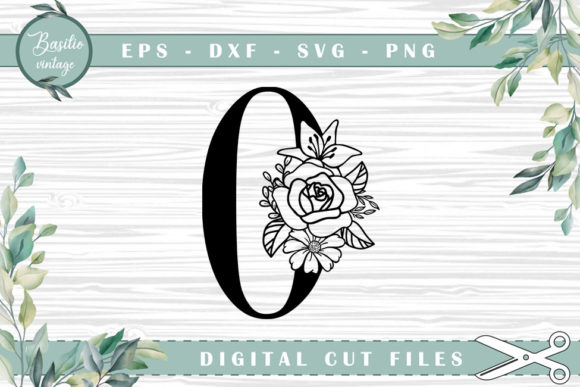
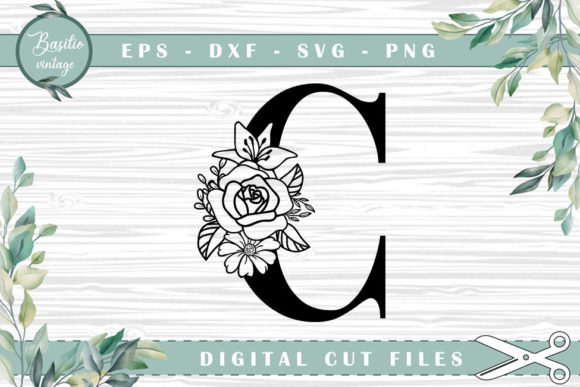
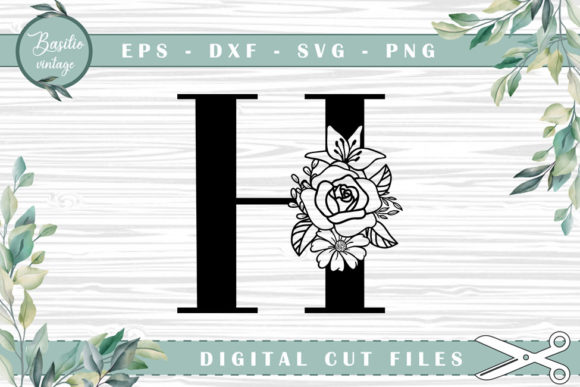
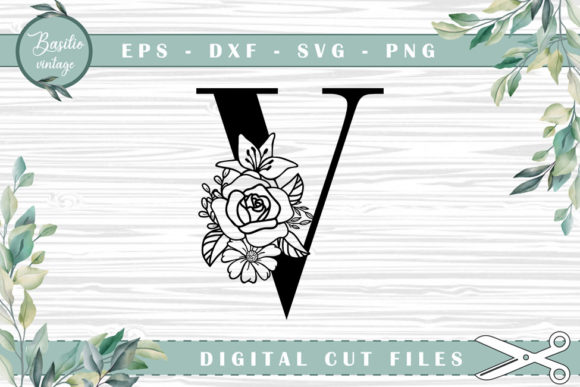
For creators, small business owners, and hobbyists managing a production pipeline, asset quality directly dictates workflow efficiency. The Floral Letter V Alphabet Cutting Files represent more than just a decorative typographic element; they serve as a foundational digital asset within a broader manufacturing or design process. Whether you are producing custom apparel, personalized home decor, or branded merchandise, understanding how to properly implement these files ensures consistency from the digital workspace to the final physical product. This specific alphabet set bridges the gap between intricate botanical aesthetics and functional vector graphics, allowing for precise execution across various mediums including vinyl, fabric, and glass.
Technical Specifications and Software Compatibility
Before initiating any cutting or printing project, verifying technical compatibility is the first step in preventing production delays. These Floral Letter V Alphabet Cutting Files are engineered for versatility across industry-standard platforms. You will receive editable files in multiple formats, ensuring that regardless of your primary ecosystem, the asset remains accessible and functional.
- SVG: The primary format for Cricut Design Space and Silhouette Studio (Designer Edition). SVGs maintain infinite scalability without pixelation, making them ideal for resizing the letter V from a small monogram to a large window decal while preserving crisp floral details.
- PNG: Provided at 300 PPI high quality. This resolution is critical for print-then-cut workflows, sublimation transfers, or digital mockups where raster clarity determines the perceived value of the final product.
- DXF: Essential for users of the free version of Silhouette Studio or other CAD-based cutting software. DXF files ensure that node structures remain intact for accurate blade pathing.
- EPS: A professional standard for Adobe Illustrator, CorelDRAW, and Sure Cuts A Lot. This format allows for deep editing of anchor points and color separation before sending to a cutter.
Compatibility extends beyond mere file opening. These assets are designed to interact smoothly with Canvas, Sure Cuts A Lot, and other major cutting software. This interoperability reduces the friction often associated with converting third-party assets, allowing professionals to focus on layout and assembly rather than troubleshooting file corruption.
Pre-Production Preparation and File Management
Efficient workflow begins with proper asset handling. Upon download, all files are compressed in Winzip to preserve integrity during transfer. It is mandatory to unzip the folder before attempting to import into any design software. Attempting to drag a zipped archive directly into Cricut Design Space or Silhouette Studio will result in import errors or unrecognizable file types. Establishing a dedicated directory structure for typography assets helps maintain organization, especially when managing extensive alphabet libraries alongside seasonal or thematic collections.
A crucial distinction for end-users and commercial producers is the absence of watermarks on the delivered files. While preview images may display protective overlays to prevent unauthorized distribution, the actual downloadable assets are clean and production-ready. This eliminates the need for post-processing cleanup, saving valuable time during the pre-production phase. However, users must understand that while the source file is pristine, there is no guarantee regarding the quality of designs once they have been significantly altered, edited, or converted by the user. Maintaining a master copy of the original unzipped files serves as an essential quality control backup.
Execution Strategies for Vinyl and Apparel
The most common application for Floral Letter V Alphabet Cutting Files is in the creation of customized textiles. When cutting this file on vinyl to iron onto clothing, the complexity of the floral elements requires specific attention to weeding and heat application. Unlike block letters, script and floral typography contain interior negative spaces that can shift if not handled correctly.
When planning an apparel project, consider the following workflow adjustments:
- Material Selection: For intricate floral serifs or vines attached to the letter V, use high-quality HTV with strong adhesive backing. Standard craft vinyl may tear during the weeding process due to the fine details inherent in botanical typography.
- Weeding Strategy: Utilize a weeding box within your software to isolate the letter V. This prevents accidental lifting of delicate floral accents when removing excess material from the surrounding mat area.
- Heat Press Parameters: Floral designs often have varying line weights. Ensure even pressure across the entire design area. If the letter V includes extremely thin stems, a Teflon sheet or parchment paper is necessary to prevent scorching or melting of fine vinyl lines.
This practical approach transforms a digital file into a durable wearable product. By respecting the physical limitations of the material in relation to the digital design, creators can reduce waste and increase the longevity of their finished goods.
Alternative Applications: Glass, Embroidery, and Mixed Media
Versatility is a key factor in maximizing the return on investment for digital assets. Beyond apparel, these cutting files facilitate diverse creative outputs. Cutting the Floral Letter V for a glass pane involves different considerations than fabric. Glass etching or permanent vinyl application requires mirroring the design only if using adhesive vinyl on the reverse side of the glass. For direct application, standard orientation applies. The 300 PPI PNG variant is particularly useful here for creating stencils for glass etching cream, where high contrast ensures sharp boundaries between the etched and protected surfaces.
For textile artists, the ability to convert and embroider on fabrics expands the utility of this asset. While SVG and DXF are cut formats, the vector paths contained within EPS or SVG files can serve as templates for digitizing embroidery patterns. Professionals can import the clean vector outline into embroidery software like Hatch or Brother PE-Design to create stitch paths that follow the floral contours of the letter V. This hybrid workflow—using a cutting file as a digitizing base—ensures that embroidered initials match the exact aesthetic of vinyl versions, maintaining brand consistency across different product lines.
Quality Control and Post-Processing Considerations
Integrating Floral Letter V Alphabet Cutting Files into a professional routine requires ongoing quality assessment. Because these files are editable, they invite customization. Users may wish to add additional flourishes, combine the V with other initials, or adjust the spacing. While the software permits these changes, the structural integrity of the original design is optimized for cutting. Excessive node manipulation or stretching can distort the floral proportions or create overlapping paths that confuse cutting blades.
Best practice dictates testing modified files on scrap material before committing to premium substrates. If you alter the file for a specific client request, save the modified version separately from the master file. This preserves the original high-quality geometry for future projects. Additionally, when using the PNG file for print applications, always verify the DPI settings in your RIP software or printer driver. Even though the source is 300 PPI, incorrect scaling during import can artificially lower the effective resolution, resulting in jagged edges on printed floral details.
Streamlining Production for Small Business Owners
For entrepreneurs and marketers, time is a tangible cost. The inclusion of multiple formats (SVG, PNG, DXF, EPS) in a single package streamlines the decision-making process. There is no need to purchase separate files for different machines or to spend hours converting vectors to rasters. This "all-in-one" delivery model supports agile production environments where a designer might need to switch from cutting vinyl for a t-shirt order to printing a sticker for packaging within the same work session.
Furthermore, the aesthetic of floral typography appeals to specific market demographics, including weddings, baby showers, and feminine branding. Having a reliable, high-quality Letter V ready for immediate deployment allows businesses to respond quickly to trending personalization requests. By treating this digital asset as a standardized component of your inventory, you reduce the cognitive load associated with sourcing new fonts for every individual project. Consistency in typography builds brand recognition, and having a dedicated floral alphabet set ensures that every "V" produced meets the same standard of excellence, whether it appears on a wine glass, a nursery wall, or a boutique logo.
Long-Term Asset Utilization
Sustainable creative workflows rely on reusable, high-quality resources. The Floral Letter V Alphabet Cutting Files are designed for longevity. Unlike trendy, low-resolution clip art that degrades over repeated use, vector-based cutting files retain their fidelity indefinitely. As cutting technology evolves and machines become more precise, these files will continue to perform optimally. Storing these assets in a cloud-synced library ensures access across multiple workstations, facilitating collaboration between designers and production staff.
Ultimately, successful integration of these files depends on respecting both the digital specifications and the physical application methods. From the initial unzip and software import to the final press or stitch, each stage of the process influences the outcome. By adhering to best practices in file management, material selection, and quality control, users can fully leverage the potential of these floral alphabet designs. This disciplined approach not only enhances the visual appeal of the final product but also establishes a reliable, repeatable workflow that supports both creative exploration and commercial viability.