Floral Number 1 Cutting Files: Creative Applications for Personalized Projects
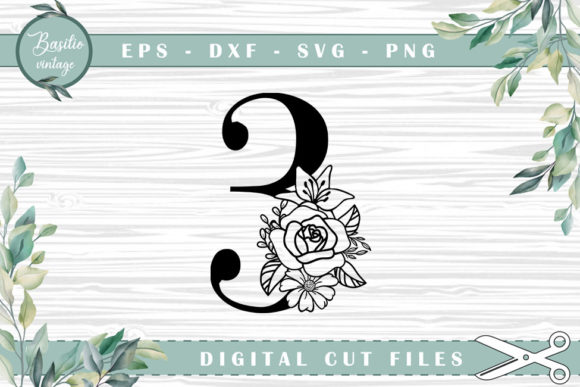
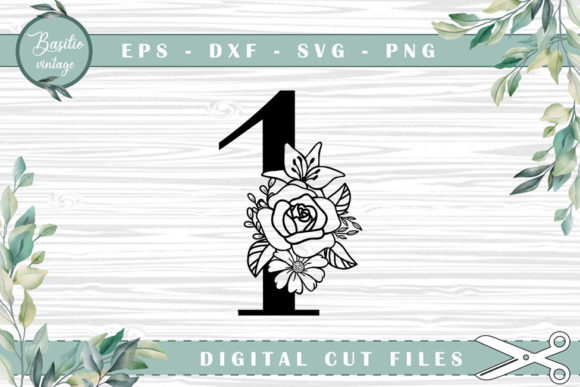
When you are tasked with celebrating a first birthday, a first anniversary, or a debut business milestone, standard block numerals often feel too sterile for the occasion. Floral Number 1 Cutting Files bridge the gap between typographic clarity and organic softness, offering a digital design that integrates botanical elements directly into the numeral structure. These aren't just static images; they are versatile digital assets provided in editable formats like SVG, PNG, DXF, and EPS at 300 PPI. This high resolution ensures that whether you are cutting adhesive vinyl for a glass pane or preparing a file for embroidery conversion, the lines remain crisp and the details distinct. The primary value lies in the adaptability of the design, allowing crafters and small business owners to transform a simple digit into a centerpiece for apparel, home decor, and keepsakes without needing advanced illustration skills.
Elevating First Birthday Celebrations and Apparel
The most immediate application for these files is in personalized children’s clothing. Parents and custom apparel creators frequently use Floral Number 1 Cutting Files to create "First Birthday" shirts that stand out from generic store-bought options. Because the file is compatible with Cricut Design Space and Silhouette Studio, you can easily resize the design to fit anything from a newborn onesie to a toddler t-shirt. When working with heat transfer vinyl (HTV), the intricate floral details require a careful weeding process, but the result is a textured, boutique-quality garment that photographs beautifully.
Beyond simple iron-on applications, consider how this design functions in mixed-media projects. Many crafters layer the floral number over a solid background shape or combine it with the child’s name in a complementary script font. Since the files are delivered in a Winzip compressed format, you have immediate access to multiple variations. The SVG format allows you to ungroup elements within your cutting software, enabling you to change the color of specific flowers or leaves to match a nursery theme or party palette perfectly. This level of customization turns a standard cutting file into a bespoke design element that feels hand-drawn rather than manufactured.
Home Decor and Glass Etching Projects
Floral typography translates exceptionally well to hard surfaces, particularly in home decor and event styling. A popular real-world scenario involves using these cutting files to create stencils for glass etching or window decals. The organic curves of the floral number soften the reflective surface of mirrors, picture frames, or drinking glasses, making them ideal for wedding gifts or anniversary commemorations. When cutting stencil vinyl for etching cream, the 300 PPI resolution is critical; it ensures that the fine lines of the petals do not bleed together during the chemical application process.
For those decorating nurseries or playrooms, these files serve as excellent templates for wall decals. Using removable matte vinyl, you can apply the floral number directly to walls as a milestone marker. Unlike framed art, which takes up shelf space, a vinyl wall decal adds texture and interest without clutter. The DXF and EPS formats included in the download are particularly useful here if you are using older versions of Silhouette Studio or professional-grade sign-making software, ensuring compatibility across different hardware generations. This versatility means you don't need to repurchase the design simply because you upgraded your cutter or switched software platforms.
Transitioning from Vinyl Cutting to Machine Embroidery
While primarily designed as cut files, Floral Number 1 Cutting Files offer significant potential for machine embroiderers looking to expand their digitizing library. The clean vector lines found in the SVG and EPS formats provide an excellent roadmap for manual digitizing. Embroiderers can import the vector file into software like Hatch, Embrilliance, or Brother PE-Design to trace stitch paths over the existing artwork. This is far more efficient than starting from scratch or trying to auto-digitize a low-resolution raster image.
However, it is important to approach this conversion with practical expectations. The product notes specify that there is no guarantee on the quality of designs once altered, edited, or converted. This is a crucial consideration for embroiderers. A line that cuts beautifully on vinyl may be too thin to sustain a satin stitch, or the density of the floral clusters might cause puckering on lightweight fabrics. Successful conversion requires testing and adjusting stitch types, underlay, and pull compensation. Despite this extra step, having a high-quality source file drastically reduces the time spent cleaning up jagged edges or guessing at design proportions, making it a valuable resource for hybrid crafters who work across both mediums.
Commercial Crafting and Small Business Efficiency
For Etsy sellers and local craft vendors, time is inventory. Floral Number 1 Cutting Files streamline production for seasonal rushes, particularly around spring and summer when first birthdays and weddings peak. Having a pre-made, high-quality asset eliminates hours of design time, allowing you to focus on fulfillment and marketing. The inclusion of multiple file types ensures that you can fulfill diverse customer requests; one client might want a car decal (requiring SVG), while another needs a logo for printed stationery (benefiting from the high-res PNG).
When integrating these files into commercial products, understanding the technical delivery method prevents workflow bottlenecks. The files arrive compressed in Winzip and must be unzipped before use. Newer crafters sometimes attempt to upload the zipped folder directly into Canvas or Sure Cuts A Lot, leading to error messages and frustration. Establishing a consistent file management system—unzipping immediately upon download and organizing by project type—saves valuable production time. Furthermore, the assurance that the final file will not contain watermarks is essential for commercial use; nothing undermines the perceived value of a handmade product faster than visible licensing artifacts on the finished good.
Technical Considerations for Optimal Results
Achieving professional results with Floral Number 1 Cutting Files requires attention to material selection and machine settings. The intricate nature of floral typography means that not all vinyls behave equally. Glitter and flock HTV, while visually striking, often struggle to hold fine detail due to their thickness and adhesive properties. For this specific design style, smooth heat transfer vinyl or premium adhesive vinyl typically yields the best definition. If you must use textured materials, consider simplifying the design within your software by removing the smallest leaf details to prevent peeling after washing.
Software compatibility also plays a role in the user experience. While Cricut Design Space and Silhouette Studio are the industry standards, users of Sure Cuts A Lot and Canvas should verify import settings for DXF files to ensure dimensions remain accurate. Sometimes, importing vectors can alter the scale, turning a 6-inch design into a 6-millimeter speck. Always check your canvas dimensions immediately after import. Additionally, because the design is digital, monitor calibration can affect color perception when working with the PNG version for print-then-cut projects. Relying on physical color swatches rather than screen colors helps maintain consistency between what you see digitally and what you produce physically.
Navigating File Integrity and Editing Limitations
Understanding the boundaries of the license and file integrity protects your creative investment. The statement regarding no quality guarantees after editing serves as a practical boundary rather than a deterrent. It reminds users that the original file has been tested and optimized for cutting, whereas modified versions introduce variables the designer cannot control. If you plan to significantly alter the Floral Number 1 Cutting Files—such as merging it with other graphics or reshaping the stem lines—treat the output as a new prototype requiring fresh test cuts.
This caveat also highlights the importance of keeping a master copy of the original unzipped files untouched. Create working copies for every project so that if an edit goes wrong or a file becomes corrupted during manipulation, you can always revert to the pristine source. This practice is especially relevant for users converting to embroidery or modifying for large-format signage, where the stress on vector points is higher. By respecting the technical parameters of the digital asset, you ensure that the Floral Number 1 Cutting Files remain a reliable tool in your creative arsenal, capable of producing consistent, high-quality results across vinyl, glass, fabric, and beyond.