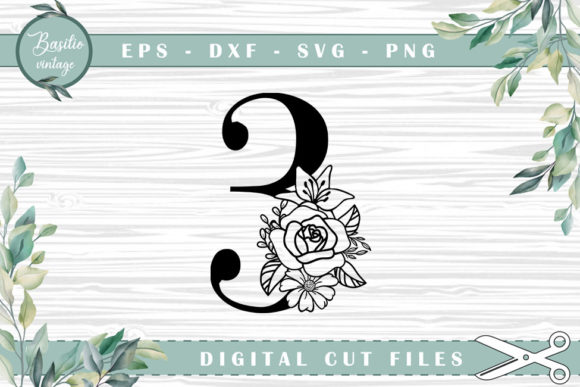
Strategic Application of Floral Number 9 Cutting Files in Creative Production
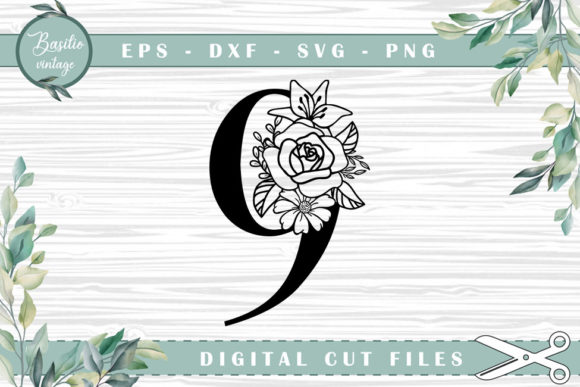
Integrating specific digital assets like Floral Number 9 cutting files into a creative workflow requires more than simply downloading and cutting; it demands a strategic approach to asset management, production planning, and brand consistency. For entrepreneurs, educators, and hobbyists alike, this specific design element serves as a versatile foundation for personalized merchandise, educational tools, and decorative projects. The value of these files lies not just in their aesthetic appeal but in their technical versatility across multiple platforms. When utilized intentionally, Floral Number 9 cutting files can streamline production time, reduce material waste through precise vector paths, and elevate the perceived value of finished products through high-resolution detailing.
Technical Specifications and Workflow Integration
Understanding the technical architecture of your digital assets is the first step toward efficient production. Floral Number 9 cutting files are provided in a comprehensive suite of formats including SVG, PNG, DXF, and EPS. This multi-format delivery is strategically important for cross-platform compatibility. The SVG format is essential for users of Cricut Design Space and Silhouette Studio, as it retains scalable vector properties that allow for resizing without pixelation. For professionals using Sure Cuts A Lot or Canvas, the inclusion of DXF and EPS ensures that the design integrates seamlessly into more advanced industrial or commercial cutting software environments.
The raster component of this package includes a 300 PPI PNG file. This resolution is critical for print-and-cut applications or sublimation projects where vector cutting is not required. A 300 PPI standard ensures that when the floral number 9 is applied to glass panes, ceramic mugs, or fabric transfers, the edges remain crisp and the botanical details retain their integrity. Before beginning any project, users must unzip the compressed Winzip folder to access these individual components. Failing to properly extract the files before importing them into cutting software is a common operational bottleneck that leads to corrupted imports or missing layers. Establishing a standardized file organization system immediately upon download prevents downstream errors during active production runs.
Optimizing Material Selection and Application Methods
The strategic utility of Floral Number 9 cutting files extends across various substrates, but success depends on matching the file type to the material physics. When planning a production run, consider the following application-specific guidelines:
- Vinyl and Heat Transfer Applications: Use the SVG file for cutting adhesive vinyl or heat transfer vinyl (HTV). The clean vector nodes in this file format ensure that weeding—the removal of excess vinyl—is efficient and precise. Complex floral details within the number 9 require sharp blades and appropriate pressure settings to avoid tearing delicate petals.
- Glass and Hard Surface Decoration: For glass pane etching or decal application, the high-quality PNG serves as an excellent stencil guide, while the SVG allows for precise vinyl masking. Ensure the surface is chemically cleaned before application to maximize adhesion and longevity.
- Embroidery Conversion: While these are primarily cutting files, the vector paths can serve as a digitizing template for embroidery. However, converting a cut file to stitches requires specialized software and expertise. The original file provides the outline, but stitch density, underlay, and pull compensation must be added manually during the digitization process.
Selecting the correct substrate before cutting minimizes waste. Test cuts are non-negotiable when working with intricate floral typography. A small test swatch verifies that the blade depth is sufficient for the material thickness without damaging the backing, ensuring that the final application of the Floral Number 9 design meets professional quality standards.
Commercial Viability and Brand Positioning
For small business owners and creators, Floral Number 9 cutting files represent an opportunity to expand product lines with minimal R&D investment. However, market saturation requires thoughtful differentiation. Simply selling the raw digital file is rarely sustainable; the value proposition emerges from how the asset is transformed into a unique end product. Consider using this design as part of a cohesive collection rather than a standalone item. Pairing the number 9 with complementary floral numbers creates a complete alphabet or numeral set that encourages higher average order values.
Brand positioning also relies heavily on visual consistency. Because your downloaded file will not contain the watermark shown in preview images, you have full creative license to modify colors, scale, and composition to match your brand identity. However, this freedom comes with responsibility. Altering the design significantly may affect its structural integrity. Strategic planning involves testing modified versions before listing them for sale. If you adjust the line weight to suit a specific branding aesthetic, verify that the design still cuts cleanly on your target machines. Consistency in output quality builds customer trust and reduces return rates due to production defects.
Risk Management and Quality Assurance Protocols
A critical aspect of professional asset management is understanding the limitations and liabilities associated with digital modifications. There is no guarantee regarding the quality of designs once they are altered, edited, or converted. This disclaimer is not merely legal boilerplate; it is a practical warning about vector manipulation. Aggressive node editing, auto-tracing low-resolution screenshots, or forcing conversions between incompatible software can introduce artifacts, open paths, or overlapping lines that cause cutting failures.
To mitigate these risks, implement a quality assurance protocol:
- Maintain Original Backups: Always keep an unaltered master copy of the original Floral Number 9 cutting files. Work on duplicates so you can revert to the source if edits compromise functionality.
- Validate After Editing: Run a simulation or dry-run in your cutting software after every modification. Check for stray nodes or disconnected segments that may not be visible at screen zoom levels but will manifest as physical errors during cutting.
- Document Conversion Processes: If you convert the file for embroidery or laser engraving, document your settings and results. This creates institutional knowledge that prevents repeating failed experiments and accelerates future production cycles.
Recognizing that edited files carry inherent uncertainty helps set realistic expectations for clients and customers. Transparent communication about customization limits protects your reputation and ensures that buyers understand the distinction between a tested original asset and a bespoke modification.
Enhancing Educational and Personal Projects Through Intentional Design
Beyond commercial applications, Floral Number 9 cutting files hold significant strategic value for educators, parents, and lifelong learners. In educational contexts, multisensory learning aids improve retention and engagement. A tactile, textured number 9 cut from flocked vinyl or cardstock provides kinesthetic feedback that reinforces numeracy concepts for early learners. The floral motif adds an organic, approachable aesthetic that can make mathematical concepts feel less abstract and more connected to the natural world.
For personal projects and gifts, intentionality transforms a generic craft into a meaningful artifact. Rather than applying the design randomly, consider the recipient’s preferences and the context of use. A monogrammed garden marker featuring the Floral Number 9 communicates thoughtfulness in a way that store-bought alternatives cannot. Planning these projects involves assessing environmental durability—outdoor markers require UV-resistant materials and permanent adhesives, while indoor decor might prioritize texture and color harmony over weather resistance.
Productivity in personal crafting also benefits from batch processing. If creating a set of numbered planters or birthday decorations, prepare all materials and machine settings in advance. Cutting multiple iterations of the Floral Number 9 design in a single session reduces setup time and material changeover friction. This systematic approach mirrors professional manufacturing efficiency, allowing hobbyists to achieve higher quality outcomes without burnout.
Making Informed Decisions About Digital Asset Acquisition
Before incorporating Floral Number 9 cutting files into your library, evaluate whether the design aligns with your long-term goals. Not every trending asset deserves a place in your workflow. Ask strategic questions: Does this style complement my existing portfolio? Do I have the necessary equipment and materials to execute this design at a professional standard? Is there genuine demand for this aesthetic among my target audience or community?
Acquisition should be driven by purpose, not impulse. High-quality digital illustrations in editable formats like SVG and EPS are investments in your creative infrastructure. When chosen deliberately, they compound in value over time as you develop expertise in their application and build a recognizable style around them. Conversely, accumulating unused or misaligned assets creates digital clutter and decision fatigue.
Ultimately, the successful use of Floral Number 9 cutting files hinges on treating them as professional tools rather than disposable content. By respecting technical specifications, planning applications with material constraints in mind, managing modification risks proactively, and aligning usage with clear objectives, creators can extract maximum value from this versatile digital asset. Whether producing commercial merchandise, educational aids, or personal keepsakes, a strategic mindset ensures that each cut contributes meaningfully to broader creative and operational goals.