Nurse Hat Floral Cutting Files: A Practical Guide for Creative Projects
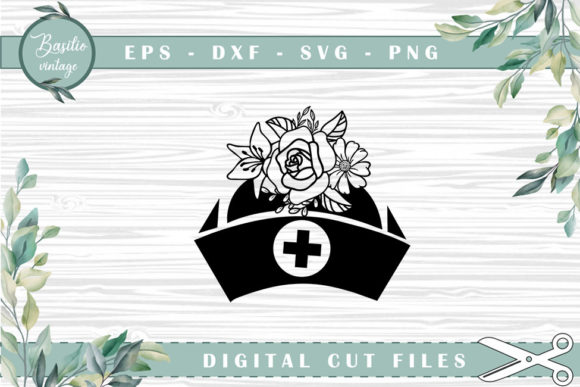
In the world of digital crafting and personalized apparel, finding high-quality, versatile designs is essential for both hobbyists and small business owners. The Nurse Hat Floral Cutting Files represent a specialized niche within this creative ecosystem, bridging the gap between medical profession pride and aesthetic floral artistry. Whether you are creating custom scrubs for Nurses Week, designing merchandise for a hospital fundraiser, or simply crafting a personal gift for a healthcare worker, understanding the technical specifications and practical applications of these digital assets is crucial for achieving professional results.
This guide explores the functional aspects of nurse hat floral cutting files, detailing how to utilize editable formats like SVG, PNG, DXF, and EPS across various platforms. We will move beyond simple product descriptions to discuss real-world usage, software compatibility, and important considerations regarding file manipulation and quality assurance.
Understanding Digital File Formats and Compatibility
When you acquire nurse hat floral cutting files, you are not receiving a single static image but rather a comprehensive suite of digital illustrations designed for interoperability. The value of this collection lies in its format diversity, ensuring that creators are not locked into a single software ecosystem.
The Role of Vector vs. Raster Graphics
To use these files effectively, it is important to distinguish between the included formats:
- SVG (Scalable Vector Graphics): This is the primary format for cutting machines like Cricut Design Space and Silhouette Studio. Because SVGs are math-based vectors, they can be resized infinitely without losing clarity. For intricate floral details intertwined with a nurse hat silhouette, SVG ensures that cut lines remain crisp whether applied to a small lapel pin or a large tote bag.
- DXF (Drawing Exchange Format): Essential for users of the basic edition of Silhouette Studio, which does not support SVG imports. DXF files provide the necessary cut lines for machine operation without requiring a paid software upgrade.
- EPS (Encapsulated PostScript): Preferred by professional designers using Adobe Illustrator or CorelDRAW. If you plan to significantly alter the design, combine elements, or prepare files for commercial embroidery digitizing, EPS offers the most robust editing capabilities.
- PNG (Portable Network Graphics): Delivered at 300 PPI (pixels per inch), this high-resolution raster format is ideal for sublimation printing, direct-to-garment (DTG) printing, or web mockups. Unlike vectors, PNGs have a fixed resolution, making them perfect for visual reference and print media where cutting paths are unnecessary.
Software Ecosystem Integration
The versatility of Nurse Hat Floral Cutting Files extends to their compatibility with industry-standard software. These files are engineered to function seamlessly within Cricut Design Space, Silhouette Studio, Sure Cuts A Lot, and Canvas Workspace. This broad compatibility allows users to transition between different machines or software versions without repurchasing assets. However, users should always verify their specific software version supports the imported file type to avoid conversion errors.
Practical Applications and Creative Use Cases
The true utility of nurse hat floral cutting files emerges when applied to tangible projects. Healthcare-themed crafts require a balance of professionalism and warmth, and the floral motif achieves this effectively. Below are practical scenarios where these files excel.
Apparel Customization via Vinyl
Cutting these files on heat transfer vinyl (HTV) is perhaps the most common application. The intricate nature of floral designs requires careful weeding, but the result is a sophisticated alternative to standard block text. When applying these designs to scrubs, lab coats, or t-shirts, consider the fabric composition. The 300 PPI reference file helps visualize placement before committing to the cut. For multi-layered floral designs, utilizing registration marks or alignment tools within your cutting software ensures that each color layer stacks perfectly.
Glass and Hard Surface Decoration
Beyond clothing, these designs translate beautifully to glass panes, tumblers, and clipboards. Adhesive vinyl is typically used here rather than HTV. When cutting nurse hat floral cutting files for glass, remember to mirror the image only if the design includes directional text; pure floral patterns generally do not require mirroring unless specific orientation is desired. Glass etching cream can also be used in conjunction with stencil vinyl versions of these files to create permanent, dishwasher-safe markings on drinkware.
Embroidery Conversion Considerations
While primarily designed as cut files, many crafters seek to convert vector designs into embroidery patterns. It is vital to understand that Nurse Hat Floral Cutting Files are not pre-digitized embroidery files. Converting an SVG or EPS to stitches requires specialized digitizing software and expertise. The clean lines of the vector source material provide an excellent foundation for auto-digitizing, but manual adjustment is often necessary to optimize stitch density and prevent thread breaks in delicate floral areas.
Technical Workflow: From Download to Creation
A seamless creative process begins with proper file management. Misunderstanding delivery methods or file preparation can lead to frustration before the project even starts.
- Download and Extraction: All files are compressed in Winzip format to ensure secure transfer and organized storage. You must unzip the folder after downloading to access individual assets. Attempting to import a .zip file directly into cutting software will result in errors.
- Verification: Upon extraction, verify that you have received one complete set of files matching the product photo. Confirm that the watermark present in preview images is absent from your downloaded files. Watermarks are strictly for display purposes and should never appear in production-ready assets.
- Test Cutting: Before applying any design to final materials, perform a test cut on scrap vinyl or paper. Floral designs often contain thin stems or tight curves that may require blade depth or pressure adjustments. A test cut saves expensive materials and time.
- File Organization: Maintain a structured digital library. Rename files descriptively (e.g., "NurseHat_Floral_SVG_v1") rather than relying on generic filenames. This practice streamlines workflow, especially for business owners managing extensive design inventories.
Evaluating Suitability and Managing Expectations
While Nurse Hat Floral Cutting Files offer significant creative potential, users must approach them with realistic expectations regarding modification and quality guarantees.
The Reality of Alteration
Digital assets are provided in optimal condition, but there is no guarantee regarding the quality of designs once altered, edited, or converted. This limitation is critical for professionals to understand. When you modify anchor points, resize disproportionately, or convert between incompatible formats, structural integrity can degrade. Thin lines may become uncuttable, or proportions may distort. Always retain an original, unedited master copy of every file. If significant customization is required, consider hiring a professional designer to modify the EPS file rather than attempting complex edits in basic cutting software.
Assessing Project Fit
Not every design suits every application. Evaluate the complexity of the floral pattern against your intended use case:
- High Detail: Best for HTV on smooth fabrics, adhesive vinyl on glass, or sublimation. Avoid for flock vinyl or glitter HTV, as fine details may be lost during weeding.
- Simplified Versions: If the included design is too intricate for your chosen material, consider using the EPS file to simplify nodes or remove interior details before cutting.
- Commercial Use: Verify licensing terms before selling finished products. While the files themselves cannot typically be redistributed, finished physical items created from nurse hat floral cutting files are often permitted for sale, supporting small businesses serving the healthcare community.
Best Practices for Long-Term Value
Maximizing the return on investment for digital cutting files involves more than just initial creation. Proper care extends the lifespan and utility of your assets.
Store unzipped files in cloud backup systems to prevent loss from hardware failure. When sharing projects online, credit the original designer and link back to legitimate sources; this supports the continued creation of quality nursing-themed designs. For business owners, track which variations of nurse hat floral cutting files generate the most customer interest to inform future purchasing decisions.
Remember that these files serve as starting points for creativity, not finished products. Your skill, material choices, and attention to detail ultimately determine the outcome. By understanding the technical foundations, respecting usage limitations, and approaching each project methodically, nurse hat floral cutting files become powerful tools for celebrating healthcare professionals through thoughtful, handmade creations.
Whether you are a seasoned crafter or new to digital fabrication, success comes from balancing creative vision with technical knowledge. Take time to learn your software's capabilities, respect the integrity of original designs, and always prioritize quality over speed. In doing so, you honor both the craft and the nurses who inspire these beautiful floral tributes.