Evaluating Butterfly Floral Cutting Files for Digital Crafting
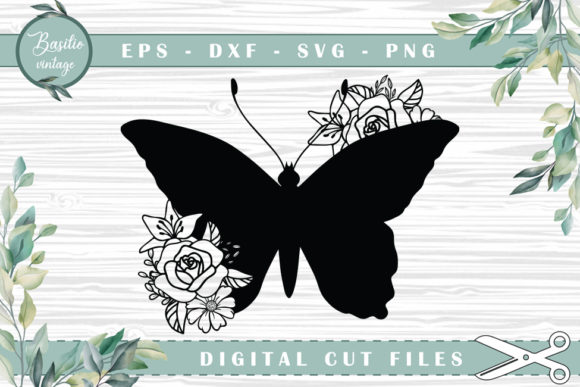
Butterfly floral cutting files represent a specific category of digital design assets tailored for crafters, hobbyists, and small business owners who utilize electronic cutting machines. These files typically feature intricate illustrations combining lepidopteran motifs with botanical elements, serving as versatile templates for various creative projects. When evaluating these digital products, it is essential to understand not only their aesthetic appeal but also the technical specifications, practical applications, and inherent limitations that define their utility in a modern crafting workflow.
Understanding the Technical Specifications
The primary value of butterfly floral cutting files lies in their format compatibility and resolution. A comprehensive digital download for this type of design generally includes multiple file types to ensure broad software support. Users can expect to receive editable files in SVG, PNG, DXF, and EPS formats. The inclusion of SVG (Scalable Vector Graphics) is particularly critical for users of Cricut Design Space and Silhouette Studio, as this vector-based format allows for infinite resizing without pixelation. DXF files serve a similar purpose for Silhouette Basic Edition users who lack native SVG support, while EPS files cater to professional graphic design software like Adobe Illustrator or CorelDRAW.
Resolution is another key evaluation metric. High-quality PNG files included in these bundles are typically rendered at 300 PPI (pixels per inch). This standard ensures that if the design is used for sublimation printing or as a reference for digitizing embroidery patterns, the image remains crisp and clear. It is important to note that these files are delivered compressed in a Winzip archive. Users must have extraction software to access the individual assets after download. Furthermore, while preview images often contain watermarks to protect intellectual property, the actual downloadable files are clean and watermark-free, ready for immediate production use.
Practical Applications and Versatility
The decision to acquire butterfly floral cutting files is often driven by specific project requirements. These designs are inherently multi-functional, bridging the gap between digital fabrication and traditional textile arts. One of the most common applications involves cutting heat transfer vinyl (HTV) or adhesive vinyl. The intricate nature of butterfly and floral combinations makes them ideal for apparel customization, such as iron-on designs for t-shirts, tote bags, and baby onesies. The vector nature of the files allows crafters to separate color layers easily, facilitating multi-color vinyl projects.
Beyond vinyl, these files serve as foundational guides for other mediums. Crafters frequently use the high-resolution PNG versions to create glass pane decals, window clings, or etching stencils. For those involved in machine embroidery, the vector lines can be imported into digitizing software to create stitch paths, effectively converting a cutting file into an embroidery design. However, this conversion process requires additional skill and specialized software; the cutting file itself does not contain stitch data. Understanding this distinction is vital for managing expectations regarding cross-medium compatibility.
Benefits and Strategic Advantages
Selecting pre-made butterfly floral cutting files offers several strategic advantages over creating designs from scratch. Time efficiency is perhaps the most significant benefit. Designing complex organic shapes like butterfly wings and floral petals requires advanced vector illustration skills and considerable time. Purchasing a ready-to-use file allows crafters to bypass the design phase and move directly to production, which is crucial for meeting client deadlines or maintaining a consistent inventory for e-commerce stores.
Additionally, professionally designed files often possess optimized node structures. In vector cutting, excessive nodes can cause cutting machines to stutter or produce jagged edges, while too few nodes can result in lost detail. Quality butterfly floral cutting files are typically cleaned and optimized for smooth blade traversal, reducing material waste and machine wear. The provision of multiple formats also future-proofs the purchase; should a crafter switch from a Silhouette machine to a Cricut, or begin using Sure Cuts A Lot or Canvas Workspace, the existing file library remains compatible without requiring repurchase.
Tradeoffs and Critical Considerations
Despite their utility, there are tradeoffs associated with using third-party butterfly floral cutting files. The most prominent limitation concerns modification. While the files are labeled as editable, there is generally no guarantee regarding the quality of the design once it has been altered, edited, or converted. Aggressive resizing, node manipulation, or format conversion can degrade the integrity of the vector paths. Users who lack proficiency in vector editing software may inadvertently corrupt the file structure, leading to cutting errors that are not the fault of the original designer.
Licensing is another critical consideration. Not all cutting files grant commercial rights. Crafters intending to sell finished products featuring butterfly floral designs must carefully review the terms of use. Some licenses restrict usage to personal projects only, while others may impose limits on the number of physical units sold. Additionally, because these are digital goods, return policies are often non-existent. If a user’s software cannot read the specific version of the SVG or DXF provided, recourse may be limited. Therefore, verifying software compatibility before purchase is a necessary step in the evaluation process.
Situational Fit and Alternatives
Butterfly floral cutting files are a strong fit for intermediate to advanced crafters who possess the necessary hardware and software ecosystem. They are particularly valuable for makers focusing on nature-inspired aesthetics, spring and summer seasonal collections, or nursery decor. If your workflow relies heavily on Cricut Design Space, Silhouette Studio, or similar platforms, and you require consistent, high-resolution assets, these files offer a practical solution.
However, alternatives may be worth considering in specific scenarios. For beginners who have never unzipped a file or worked with layers, starting with simpler, single-layer silhouettes may prevent frustration. Those seeking exclusive branding for a business might find better value in commissioning a custom designer rather than purchasing widely available stock cutting files, as uniqueness is a competitive advantage. Furthermore, if the primary goal is machine embroidery rather than vinyl cutting, purchasing dedicated embroidery digitized files (.PES, .DST) is superior to attempting to convert a cutting file, as the latter lacks necessary underlay and pull compensation data.
Making an Informed Decision
Ultimately, the decision to utilize butterfly floral cutting files should be based on a realistic assessment of technical capability and project needs. Prospective users should verify that they have functional unzipping software and confirm that their specific cutting software supports the included file formats. It is advisable to test the files on scrap material before committing to expensive substrates, ensuring that the blade settings align with the complexity of the floral and butterfly details.
By understanding the technical parameters, acknowledging the limitations regarding edits and conversions, and aligning the asset with appropriate end-uses, crafters can effectively integrate these digital illustrations into their repertoire. When selected thoughtfully, butterfly floral cutting files serve as reliable, high-quality building blocks for a wide array of creative endeavors, balancing convenience with professional-grade output potential.