Skull Floral Halloween Cutting Files: Merging Macabre and Botanical Aesthetics for Modern Crafting
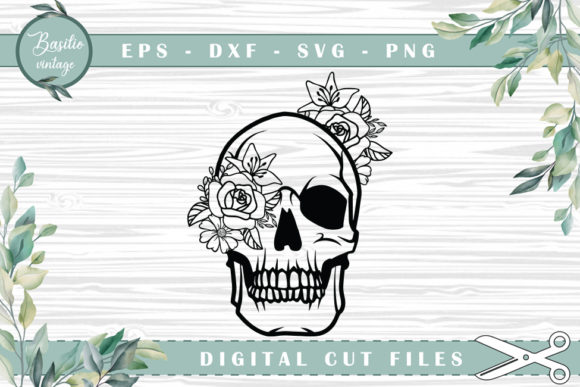
The intersection of gothic imagery and delicate botanical art has created a distinct niche in seasonal design, moving beyond traditional spooky decor into something far more sophisticated. Skull floral halloween cutting files represent this evolution perfectly, offering creators a versatile asset that balances the edge of mortality with the organic beauty of nature. For crafters, small business owners, and DIY enthusiasts, these digital assets are not merely decorative elements; they are foundational tools for producing high-margin, trend-responsive merchandise. When you acquire these digital illustrations, you are securing editable files in SVG, PNG (300 PPI high quality), DXF, and EPS formats, ensuring compatibility across a wide spectrum of creative workflows.
This specific aesthetic resonates because it rejects the binary choice between "cute" and "scary." Instead, it embraces the memento mori tradition updated for contemporary tastes. Whether you are using Cricut Design Space, Silhouette Studio, Sure Cuts A Lot, or Canvas, having access to professionally digitized vectors allows for precision that raster images simply cannot match. The relevance of these files extends beyond October 31st; they fit seamlessly into year-round alternative fashion, tattoo-inspired apparel, and dark academia home decor, making them a sustainable addition to any digital design library.
Technical Specifications and Workflow Integration
Understanding the technical delivery of these assets is crucial for maintaining an efficient production line. All skull floral halloween cutting files are compressed in Winzip to preserve file integrity during transfer. Upon download, you will need to unzip the folder to access the individual assets. You will receive one file as shown in the product photo, delivered without the watermark pictured in preview images. This clean delivery is essential for professional results, as watermarks can interfere with cut lines and print registration.
The inclusion of multiple formats addresses the fragmentation of the modern crafting ecosystem:
- SVG: The industry standard for vector cutting. This format retains mathematical path data, allowing for infinite scaling without pixelation. It is the primary format for Cricut and Silhouette users creating vinyl decals or iron-on transfers.
- PNG (300 PPI): High-resolution raster files are necessary for sublimation printing, direct-to-garment (DTG) printing, and digital mockups. The 300 PPI specification ensures crisp edges when printed on physical media.
- DXF: Often required for older versions of Silhouette Studio (Basic Edition) and certain industrial cutting plotters. This format provides open vector paths compatible with CAD-based software.
- EPS: The preferred format for professional graphic designers using Adobe Illustrator or CorelDRAW. EPS files allow for deep editing of anchor points and color separation before exporting to cut-ready formats.
While these files are optimized for cutting software, users must understand the boundaries of modification. There is no guarantee of the quality of the designs once they are altered, edited, or converted. Changing node structures, simplifying paths excessively, or converting between incompatible vector formats can introduce artifacts or break cut lines. Professional best practice dictates keeping a master copy of the original files untouched and performing all edits on duplicates.
Evolving Trends in Seasonal Merchandising
The market for Halloween goods has shifted significantly over the last decade. Consumers are increasingly fatigued by mass-produced, generic orange-and-black decor. In response, independent creators have driven demand for nuanced aesthetics like floral skulls. This trend aligns with broader lifestyle shifts toward personalization and alternative expression. Skull floral halloween cutting files cater to this demographic by providing a visual language that feels curated rather than commercial.
For entrepreneurs operating print-on-demand businesses or Etsy shops, this design style offers higher perceived value. A t-shirt featuring a intricate rose-and-bone composition reads as fashion-forward art, whereas a standard jack-o'-lantern reads as disposable novelty. This distinction impacts pricing power and customer retention. Furthermore, the versatility of the design allows for cross-category application. The same file used for a cotton t-shirt can be adapted for etched glassware, embroidered tote bags, or laser-engraved wood signs, maximizing the return on investment for a single digital asset.
We are also seeing a shift in how these designs are consumed. The rise of "maker culture" means that end-users are often creators themselves. They expect files that work immediately out of the box. The provision of 300 PPI PNGs alongside vectors acknowledges that not every user owns a cutting machine; some may only have a heat press or sublimation printer. By accommodating mixed-media workflows, these files remain relevant regardless of the specific hardware trends dominating the hobbyist market.
Practical Applications Across Mediums
The true utility of skull floral halloween cutting files lies in their adaptability across different substrates. Understanding material constraints is just as important as software proficiency.
Vinyl and Heat Transfer Applications
Cutting this file on vinyl to iron onto clothing remains the most popular use case. However, the complexity of floral skull designs requires strategic weeding. When working with intricate petals and bone fragments, consider using glitter or flock heat transfer vinyl (HTV). These materials have thicker carriers that hold small details better during the weeding process compared to standard glossy HTV. For glass panes, permanent adhesive vinyl is ideal, but the design should be mirrored if text is included. The botanical elements in these designs naturally frame windows and mirrors, creating a stained-glass effect when backlit.
Embroidery Conversion Considerations
While these are primarily cutting files, many users wish to convert and embroider on fabrics. This requires specialized digitizing. You cannot simply send an SVG to an embroidery machine. The vector paths must be translated into stitch commands (PES, DST, JEF). Because skull floral designs often contain varying line weights and shading gradients, auto-digitizing features in software like Hatch or Brother PE-Design frequently produce poor results. Manual digitizing is recommended to capture the organic flow of the flowers against the rigid structure of the skull. Users attempting this conversion should test stitch on scrap fabric first, as the density required for floral details can cause puckering on lightweight garments.
Glass and Hard Surface Etching
For glass pane projects, these files serve as stencils for etching cream or sandblasting. The high contrast between the skull and floral elements creates excellent definition on transparent surfaces. When using these files for laser engraving on wood or acrylic, the black-and-white nature of the vector allows for easy dithering. The organic textures of the flowers translate beautifully to natural wood grain, while the skull provides a focal point that prevents the design from looking too busy.
Navigating Digital Asset Management and Licensing
As digital inventories grow, proper file management becomes a professional necessity. Since your file will need to be unzipped after download, establishing a consistent naming convention and folder structure early prevents future frustration. Create dedicated directories for "Cut Files," "Print Assets," and "Master Vectors" to separate the 300 PPI PNGs from the editable SVGs. This organization saves valuable time during peak production seasons like September and October.
Creators must also respect the intellectual property framework surrounding these assets. While you receive clean files without watermarks for commercial or personal use, the prohibition on quality guarantees for altered files serves as a protective measure for both the designer and the user. If you significantly modify the design—perhaps combining the skull with different typography or altering the flower species—the resulting file is effectively a new creation. Testing is mandatory. Never assume that a modified vector will cut cleanly or print sharply without verification. This diligence separates professional outputs from amateur attempts and protects your brand reputation.
Furthermore, understanding the licensing terms associated with skull floral halloween cutting files is critical for business compliance. Most digital downloads permit the sale of physical products made with the design but prohibit the resale or redistribution of the digital file itself. As the market matures, platforms are becoming stricter about enforcing these distinctions. Keeping records of your purchase and license agreement is a best practice that safeguards your shop against potential disputes.
The Future of Hybrid Crafting Assets
The trajectory of digital crafting suggests a continued move toward hybrid assets that bridge the gap between analog and digital fabrication. Skull floral halloween cutting files exemplify this by serving as a universal source code for physical objects. As technology advances, we may see tighter integration between cutting software and AI-assisted design tools, allowing users to generate variations of a base floral skull design instantly. However, the core requirement for high-quality, clean vector paths will remain constant.
For now, success depends on mastering the fundamentals: selecting the right file format for the machine, respecting the limitations of automated conversions, and applying design principles that honor the source material. Whether you are a freelancer building a seasonal portfolio, a teacher organizing a classroom art project, or a business owner scaling production, these files offer a reliable starting point. They encapsulate a cultural moment where darkness and beauty coexist, providing a canvas for creativity that is as technically robust as it is aesthetically compelling. By leveraging these resources thoughtfully, creators can produce work that stands out in an increasingly saturated marketplace, turning digital pixels into tangible, meaningful objects.