Maximizing Creative Potential with Baseball Floral Cutting Files for Custom Apparel and Decor
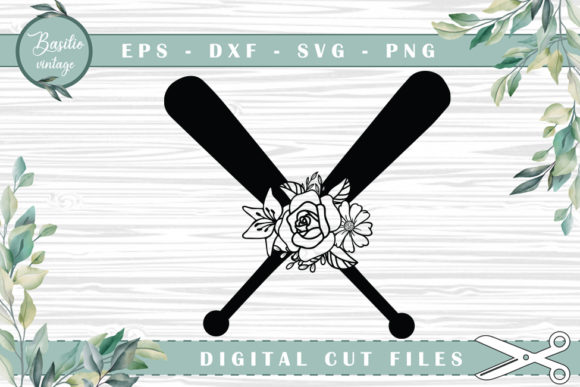
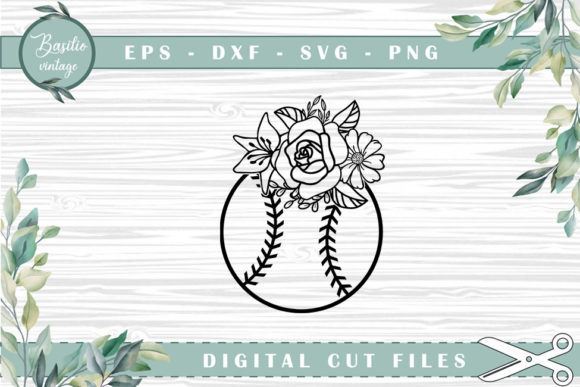
The intersection of athletic aesthetics and botanical elegance has created a distinct niche in the digital crafting community. Baseball floral cutting files represent this unique fusion, offering designers and hobbyists a versatile asset that bridges the gap between sports memorabilia and feminine or rustic design elements. These digital assets are not merely decorative overlays; they are technical resources engineered for precision manufacturing across various mediums. Understanding the specifications, applications, and limitations of these files is essential for professionals and enthusiasts aiming to produce high-quality merchandise, personalized gifts, or custom signage.
Technical Specifications and File Format Utility
When acquiring baseball floral cutting files, the value lies in the versatility of the included formats. A comprehensive digital package typically includes SVG, PNG, DXF, and EPS formats, each serving a specific function within the production workflow. The inclusion of multiple vector and raster formats ensures compatibility across different software ecosystems and hardware capabilities.
- SVG (Scalable Vector Graphics): This is the industry standard for electronic cutting machines like Cricut Design Space and Silhouette Studio. Because SVGs are mathematical paths rather than pixel grids, they allow for infinite scaling without loss of fidelity. For baseball floral designs, this means the intricate petals and stitching details remain crisp whether applied to a toddler’s onesie or an adult jersey.
- PNG at 300 PPI: While vectors handle cutting, high-resolution raster images are necessary for sublimation printing and digital mockups. Receiving files at 300 PPI (Pixels Per Inch) ensures that if the design is used for print-on-demand products or heat transfer vinyl layering, the edges will not appear pixelated or blurry.
- DXF and EPS: These formats cater to professional users utilizing Sure Cuts A Lot, CanvasWorkspace, or Adobe Illustrator. DXF files are particularly useful for older cutting machine models that do not natively support SVG, while EPS remains the preferred format for commercial embroidery digitizing and large-format signage.
All associated files are typically compressed in Winzip archives to preserve folder structure and reduce download size. Users must unzip these packages before importing them into any design software, as most cutting platforms cannot read compressed data directly.
Diverse Applications Across Mediums
The primary advantage of baseball floral cutting files is their adaptability. Unlike single-use clip art, these cut files are engineered for physical fabrication. The design architecture supports three distinct production methods: vinyl cutting, glass etching, and embroidery conversion.
Vinyl Application and Textile Customization
The most common use case involves cutting Heat Transfer Vinyl (HTV) or adhesive vinyl. The floral elements intertwined with baseball iconography create balanced compositions suitable for team mom apparel, player gifts, and commemorative blankets. When working with HTV, the layered nature of floral-baseball hybrids often requires careful weeding. The digital files are generally structured to facilitate this, but the complexity of floral stems meeting baseball seams demands sharp blades and appropriate pressure settings. For adhesive vinyl applications on tumblers or lockers, the same file serves as a stencil or direct decal, providing a durable finish that withstands washing and handling.
Glass Pane and Hard Surface Etching
Beyond textiles, these files function effectively as stencils for glass etching cream or sandblasting resist. The organic curves of the floral components contrast beautifully against the rigid geometry of glass panes, windows, or mirror surfaces. When using baseball floral cutting files for etching, it is crucial to ensure the design is welded properly in the software. Any gaps between the flower petals and the baseball stitching can allow etching cream to seep through, ruining the intended negative space. The vector precision of SVG and DXF formats minimizes this risk by maintaining closed paths.
Embroidery Conversion Considerations
A significant feature of these digital assets is their potential for conversion into embroidery patterns. However, this process requires technical understanding. A cut file is a line path; an embroidery file is a stitch map. Converting baseball floral cutting files for machine embroidery involves importing the SVG or EPS into digitizing software to assign stitch types, densities, and pull compensation. The floral sections may require satin stitches for definition, while the baseball body might utilize fill stitches. While the source file provides the perfect outline, the final stitch quality depends entirely on the user's digitizing skill and the specific fabric's stability.
Software Compatibility and Workflow Integration
Seamless integration into existing workflows is a hallmark of professionally prepared cut files. Baseball floral cutting files are designed to be agnostic regarding the user's preferred platform. Whether operating a small business with industrial equipment or managing a home studio with consumer-grade tools, compatibility is maintained.
For Cricut Design Space users, the SVG import retains individual layers, allowing for color separation and material assignment without manual tracing. Silhouette Studio users benefit similarly, though those with the Basic Edition may need to utilize the DXF format unless they have upgraded to the Business or Designer Edition which supports native SVG import. Professional designers using Sure Cuts A Lot or Canvas will find the EPS and DXF formats provide the anchor points and node editing capabilities required for resizing or modifying the design layout before cutting.
This cross-platform functionality eliminates the need for third-party converters, which often degrade file quality or alter node placement. By providing native formats for each major ecosystem, the digital asset ensures that the design integrity remains intact from download to final production.
Managing Expectations: Quality, Alterations, and Licensing
While digital assets offer immense creative freedom, they also come with specific parameters that users must respect to achieve optimal results. Understanding the boundaries of the product prevents frustration and wasted materials.
The Reality of Design Alteration
It is vital to note that there is no guarantee regarding the quality of designs once they are altered, edited, or converted. Baseball floral cutting files are optimized for their original state. When a user modifies the nodes, stretches the aspect ratio disproportionately, or attempts to auto-trace a rasterized version back into a vector, the structural integrity of the cut lines can be compromised. Intricate floral details may merge, or baseball stitching may become too thin to cut reliably. Furthermore, when converting to embroidery, the original vector lines serve only as a guide; the resulting stitch-out is subject to variables such as thread tension, stabilizer choice, and hooping technique, none of which are controlled by the original digital file.
Watermarks and Final Output
Preview images displayed in marketplaces often contain watermarks to protect intellectual property. Users should be assured that the downloadable files received after purchase will not have the watermark. The clean, production-ready files are what reside in the zipped folder. This distinction is critical for commercial creators who need to verify that their final product will be free of copyright notices or visual obstructions. Always inspect the unzipped files immediately upon download to confirm all formats are present and uncorrupted.
Strategic Value for Businesses and Educators
For business owners and educators, baseball floral cutting files serve as more than just a pretty picture; they are a scalable resource. Small businesses specializing in team spirit wear can utilize these files to create cohesive collections that appeal to both athletes and their families. The hybrid aesthetic allows for marketing to a broader demographic than traditional sports graphics alone.
Educators and workshop leaders can use these files to teach advanced concepts in digital fabrication. The combination of geometric shapes (the baseball) and organic forms (the flowers) provides an excellent case study in welding, layering, and registration mark placement. Students learn how different curve types interact within cutting software and how to prepare complex multi-layer designs for physical output.
Ultimately, the utility of baseball floral cutting files extends far beyond the initial download. They are foundational elements in a larger creative process, enabling the production of professional-grade goods across vinyl, glass, and textile mediums. Success relies on respecting the technical specifications, choosing the correct format for the intended machine, and acknowledging the limits of modification. By adhering to these guidelines, creators can leverage these digital illustrations to produce distinctive, high-quality work that stands out in a crowded marketplace.