Integrating Colorful 3D Flower Floral Pattern Design into Professional Creative Workflows
In the landscape of modern digital design, the demand for depth and tactile realism has shifted how professionals approach surface decoration. A colorful 3D flower floral pattern design is no longer just a decorative afterthought; it is a strategic visual asset that bridges the gap between flat graphic design and immersive environmental aesthetics. For designers, marketers, and business owners, understanding how to leverage these assets involves more than simply placing an image on a canvas. It requires a workflow that accounts for technical versatility, brand consistency, and cross-platform application. When utilized correctly, these patterns serve as foundational elements that elevate packaging, digital interfaces, interior concepts, and corporate branding without overwhelming the core message.
Defining the Asset in a Production Context
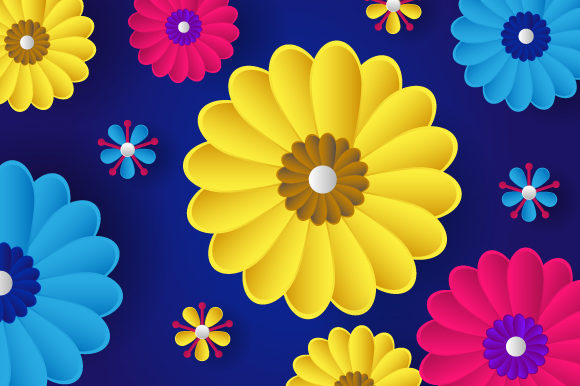
Before integrating a colorful 3D flower floral pattern design background for business element projects, it is essential to understand what distinguishes this asset from traditional 2D vectors. These designs utilize lighting, shadow, and texture mapping to create the illusion of physical volume. In a professional workflow, this means the asset carries specific technical requirements regarding resolution, color space, and layer management. Unlike flat illustrations, 3D floral patterns interact with light sources within your composition. This characteristic makes them ideal for sign and symbol decoration design where visibility and impact are paramount, but it also demands careful handling during the compositing phase to ensure they do not clash with existing lighting setups in photographs or renders.
The "colorful" aspect of these patterns serves a functional purpose beyond mere aesthetics. In marketing and educational materials, color coding through floral elements can guide user attention or categorize information. For example, a vibrant magenta bloom might signify a premium tier in a service brochure, while softer pastels could denote wellness or organic product lines. Understanding this semiotic function allows creators to select patterns based on strategic communication goals rather than personal preference alone.
Technical Preparation and File Management
A robust creative workflow begins with proper file management. The availability of AI, EPS, and JPG formats provides flexibility across different stages of production, but each serves a distinct purpose. Organizing these files correctly at the start of a project prevents bottlenecks later.
- AI (Adobe Illustrator): This is your master source file. Use this format when you need to modify individual flower elements, adjust global colors to match specific brand hex codes, or scale the pattern infinitely for large-format printing like billboards or trade show booths. Always keep a backup of the original AI file before making destructive edits.
- EPS (Encapsulated PostScript): This is your universal vector exchange format. Utilize EPS files when collaborating with clients or printers who use non-Adobe software such as CorelDRAW or Affinity Designer. It preserves scalability while ensuring compatibility across different operating systems and RIP software used in commercial printing.
- JPG (Joint Photographic Experts Group): Reserve high-resolution JPGs for rapid prototyping, mood boards, and digital-only applications. While not editable as vectors, pre-rendered JPGs are invaluable for web design mockups or social media content creation where file size and load times matter more than infinite scalability.
When preparing these assets for wallpaper design or interior design visualization, verify the color profile immediately. Convert RGB-based 3D renders to CMYK if the final output is physical print to avoid neon color shifts. Conversely, retain RGB versions for digital signage and web backgrounds to maintain luminosity. Establishing a naming convention that includes color space, dimensions, and version numbers ensures that team members always pull the correct asset for their specific task.
Application in Branding and Business Elements
For entrepreneurs and marketers, a colorful 3D flower floral pattern design functions as a dynamic texture within brand identity systems. The key to successful implementation here is restraint and hierarchy. When designing business cards, letterheads, or certificates, the pattern should often be treated as a secondary element. Reducing the opacity to 10-15% or applying a duotone effect allows the intricate 3D details to add richness without compromising text legibility. This approach transforms a standard corporate document into a premium touchpoint.
In packaging design, these patterns excel at creating shelf appeal. The 3D nature of the flowers mimics embossing or spot UV effects even when printed flat, offering a cost-effective way to achieve a luxury look. During the dieline creation process, map the pattern so that key floral elements align with fold lines or window cutouts. This intentional placement demonstrates a higher level of craftsmanship and ensures the design looks cohesive when assembled. For businesses in the beauty, confectionery, or lifestyle sectors, this alignment between digital asset and physical form factor is critical for perceived value.
Enhancing Digital and Environmental Spaces
The versatility of nature design extends significantly into digital environments. Web designers and UI/UX professionals can use these patterns to break up sterile grid layouts. However, accessibility must remain a priority. When using a colorful 3D flower floral pattern design background for websites or apps, always test contrast ratios against overlaying text. Consider using CSS blend modes or gradient masks to fade the pattern out in text-heavy areas. This maintains the organic feel of the site while ensuring WCAG compliance.
For interior designers and architects, these assets serve as powerful visualization tools. Before committing to expensive custom wallcoverings or murals, apply the pattern to 3D room renders to test scale and lighting interaction. Because the source files include depth information, they integrate more naturally into rendering engines like V-Ray or Lumion compared to flat textures. This allows stakeholders to visualize how the floral design will look under warm evening lighting versus cool daylight, facilitating better decision-making during the renovation planning phase. Educators and event planners can similarly use these high-fidelity visuals to create immersive learning environments or themed backdrops that engage audiences through biophilic design principles.
Workflow Integration and Quality Control
Integrating floral design pattern assets smoothly into a routine requires establishing quality control checkpoints. One common failure point occurs when scaling 3D raster elements within vector documents. If your workflow involves mixing the JPG version with vector typography, ensure the image resolution is at least 300 DPI at final print size. Pixelation in a 3D render destroys the illusion of depth and makes the entire project appear amateurish.
Consistency is another vital factor. If you are using a specific colorful 3D flower set across multiple deliverables—such as a social media campaign, email newsletter, and physical flyer—create a shared library or cloud asset folder. This prevents team members from using slightly different color-corrected versions or outdated files. Document any adjustments made to the original assets, such as hue shifts or cropping, so that future iterations remain visually coherent.
Efficiency can be improved by creating smart objects or symbols within your design software. By converting the floral pattern into a reusable component, you can update the master instance once and have those changes propagate across all artboards. This is particularly useful for seasonal updates where you might want to shift the color palette from spring pastels to autumn tones without rebuilding the layout from scratch.
Strategic Considerations for Long-Term Use
When investing time in incorporating colorful 3D flower floral pattern designs, consider the longevity of the aesthetic. Trends in 3D rendering evolve quickly. To future-proof your assets, focus on botanical accuracy and classic color theory rather than stylized effects that may date the work. Realistic lighting and natural petal structures tend to age better than exaggerated, plastic-looking renders. This makes the asset suitable for both current campaigns and archival templates.
Furthermore, evaluate the licensing and usage rights associated with your files. For business owners and freelancers, ensuring you have full commercial rights for the AI and EPS files protects against legal complications down the line. Keep license documentation linked to the asset metadata in your digital asset management system. This administrative step is as important as the creative execution, especially when handing off projects to clients or publishing widely distributed materials.
Ultimately, the successful use of these design elements lies in treating them as functional components of a larger system. Whether you are crafting a delicate wedding invitation, a bold retail display, or a serene digital interface, the process remains the same: prepare technically, apply strategically, and maintain rigorously. By viewing the colorful 3D flower floral pattern not just as decoration but as a versatile tool for communication and atmosphere, professionals can unlock its full potential across diverse mediums and objectives. This disciplined approach ensures that the beauty of the design serves the practical needs of the project, resulting in outcomes that are both visually stunning and operationally sound.