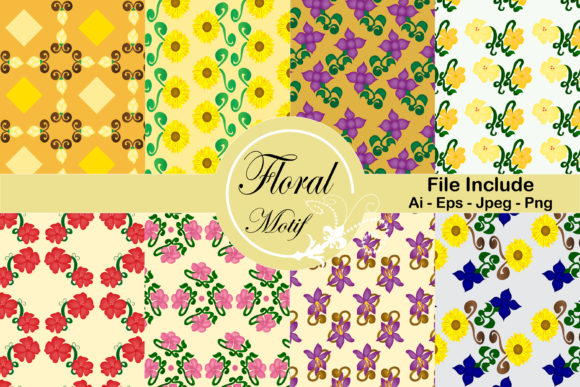
Floral Motif Vectors: Elevating Design Versatility
In the competitive landscape of visual design, the difference between a generic project and a standout creation often lies in the quality and adaptability of the underlying assets. A floral motif is more than just a decorative element; it is a foundational component that communicates emotion, establishes brand identity, and adds organic warmth to digital and physical spaces. When sourced as a high-quality vector illustration, this timeless aesthetic transcends simple decoration to become a functional tool for professionals across various industries. Whether you are designing a large-format carpet, etching glass, creating website wallpapers, or printing marketing posters, the technical integrity of your source file dictates the success of the final output.
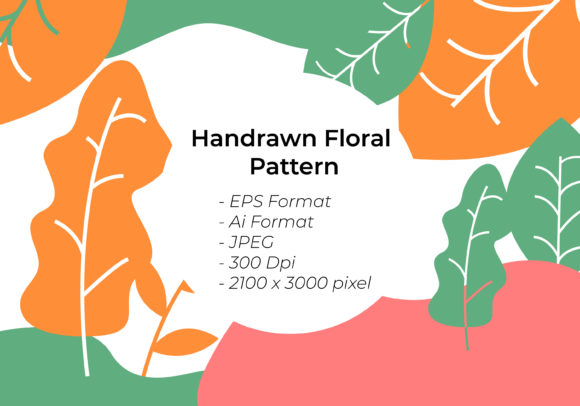
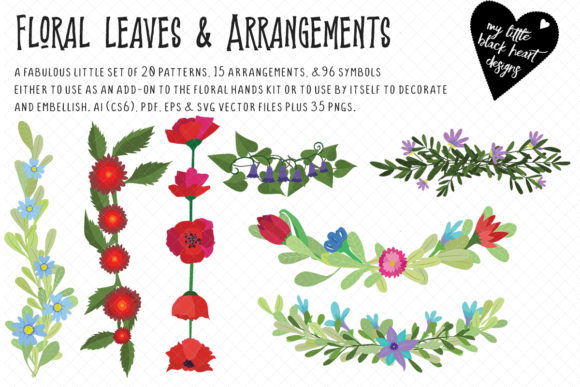
Understanding the specific value of vector-based flower themed patterns requires looking beyond the visual appeal. It involves recognizing how scalable graphics streamline workflows and reduce production costs. Unlike raster images that degrade when resized, vector illustrations maintain mathematical precision at any scale. This characteristic is essential for creators who need a single asset to perform equally well on a business card and a billboard. By utilizing comprehensive file packages that include EPS 10, AI CS6, JPEG, and PNG formats, designers ensure they have the right tool for every stage of the creative process, from initial concepting to final manufacturing.
The Strategic Advantage of Scalable Vector Graphics
The primary benefit of choosing a vector illustration for a floral motif is infinite scalability without loss of resolution. In practical terms, this means a designer can create a pattern for a smartphone wallpaper and later adapt the exact same artwork for a textile print or architectural glass etching without needing to redraw or repurchase assets. For small business owners and freelancers operating with tight budgets, this versatility maximizes return on investment. A single high-quality vector asset eliminates the need for multiple licenses or separate files for different media types.
Furthermore, vectors offer editability that raster images simply cannot match. When working in Adobe Illustrator (AI CS6) or compatible software, individual elements of the flower themed pattern can be isolated, recolored, or rearranged. This capability is crucial for maintaining brand consistency. If a client’s brand guidelines shift from pastel pinks to deep crimsons, a vector floral motif can be updated globally in seconds rather than requiring hours of manual retouching. This efficiency supports faster turnaround times for agencies and in-house teams managing multiple campaigns simultaneously.
Optimizing Workflows Across Digital and Print Media
Different applications demand different technical specifications, and having access to multiple file formats ensures optimal results regardless of the end use. The inclusion of EPS 10 files provides broad compatibility with various vector editing programs and older versions of design software, making collaboration with external vendors or print shops seamless. EPS remains the industry standard for professional printing, ensuring that colors remain accurate and lines stay crisp during the separation process for textiles like carpets or upholstery.
For digital-first projects, the JPEG and PNG inclusions serve immediate needs. A content creator might use the pre-rendered PNG with a transparent background to quickly overlay a floral motif onto a social media graphic or video thumbnail without opening heavy vector software. Meanwhile, the JPEG serves as a lightweight preview file for client approvals or mood boards. This multi-format approach removes friction from the creative pipeline, allowing professionals to focus on composition and messaging rather than file conversion troubleshooting.
Enhancing Physical Products Through Precision Design
When applying a floral motif to tangible goods like carpets, glass, or ceramics, precision is non-negotiable. Manufacturing processes such as laser etching, CNC routing, or digital textile printing rely on clean path data found only in vector files. Rasterized edges can result in jagged cuts or blurry prints that ruin expensive materials. A dedicated vector illustration ensures that every petal and stem is defined by smooth curves, resulting in a premium finish that elevates the perceived value of the product.
Consider the specific case of glass decoration. Etched glass requires high-contrast, single-color line work to translate effectively. A complex raster photograph of a flower often fails in this medium because the subtle gradients get lost or create muddy etchings. A purpose-built vector floral motif, however, uses distinct strokes and fills that map perfectly to etching machinery. Similarly, in carpet design, the repeat functionality of vector patterns allows for seamless tiling across large surface areas without visible seams or alignment errors, a critical factor for interior designers specifying flooring for commercial or residential spaces.
Supporting Creative Flexibility for Diverse Audiences
The utility of these assets extends to a wide demographic of users, each with distinct goals. Educators and bloggers benefit from the ready-to-use PNG and JPEG formats to enhance presentations and articles without needing advanced design skills. The visual engagement provided by a well-crafted flower themed pattern can increase time-on-page and improve information retention by breaking up dense text. For these users, the value lies in accessibility and immediate visual improvement.
Conversely, professional marketers and publishers leverage the AI CS6 and EPS 10 files for deep customization. They might integrate the floral motif into a larger packaging design, adjust the opacity for a subtle watermark effect, or combine it with typography to create unique merchandise. The ability to manipulate anchor points and color swatches allows these professionals to tailor the generic asset into something proprietary and unique. This balance between convenience and customizability makes vector floral motifs an indispensable resource in the modern creative toolkit.
Making Informed Decisions About Asset Selection
While vector floral motifs offer significant advantages, it is important to recognize their limitations to ensure they are the right fit for your specific project. Vectors excel at clean lines, flat colors, and stylized representations, but they may not be suitable if you require photorealistic texture or complex painterly effects. In scenarios where hyper-realism is the goal, a high-resolution raster image might still be necessary. Users should assess whether the intended application benefits from the crisp, graphic nature of vector art or requires the organic nuance of photography.
Additionally, compatibility considerations matter. While AI CS6 is widely supported, users on significantly older legacy systems or alternative vector platforms should verify that the EPS 10 file imports correctly before beginning extensive work. Testing the file early in the process prevents downstream issues. Despite these considerations, for the vast majority of decorative, branding, and surface design applications, the combination of scalability, editability, and multi-format availability makes the vector floral motif a superior choice over static imagery.
Ultimately, integrating a high-quality floral motif into your workflow is about more than aesthetics; it is about operational excellence. By selecting assets that provide EPS 10, AI CS6, JPEG, and PNG options, you equip yourself with the flexibility to tackle diverse challenges efficiently. Whether you are a freelancer delivering rapid prototypes or a manufacturer producing thousands of units, the right vector foundation ensures your work remains sharp, adaptable, and professionally executed across every touchpoint.