Floral Wreath Monogram - Flower, Wedding: A Practical Guide to Digital Assets
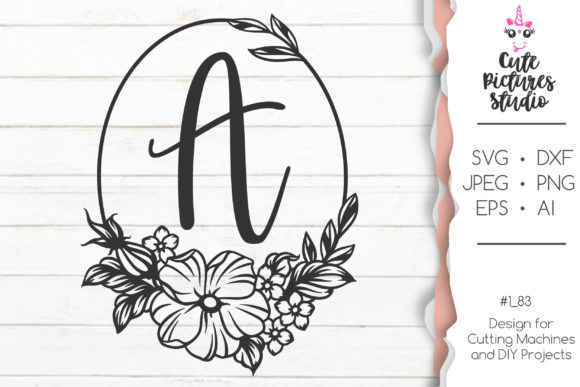
When planning a wedding or launching a botanical-themed brand, the visual identity often hinges on delicate, organic details. The Floral Wreath Monogram - Flower, Wedding design serves as a versatile cornerstone for these projects, bridging the gap between rustic charm and modern elegance. However, acquiring the design is only the first step. The true value lies in understanding how to leverage the specific digital formats provided to ensure professional results across various mediums. Many creators and couples purchase high-quality vector assets but struggle during production because they select the wrong file type for their specific machinery or software. Avoiding these technical mismatches is essential for maintaining the crisp lines and intricate details that define floral monograms.
Understanding the File Ecosystem
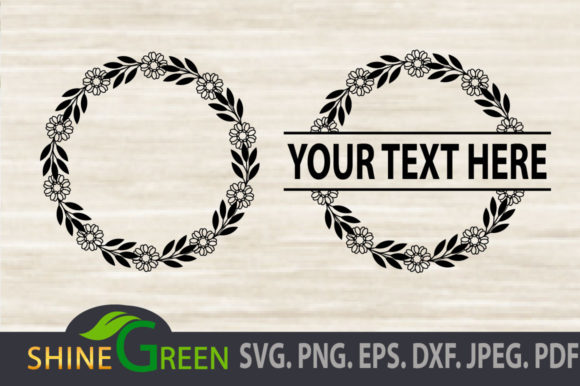
This digital package is not a single image but a comprehensive suite of production-ready assets. Upon purchase, you receive an instant digital download containing a zipped folder with neatly organized subfolders. There is no physical item shipped; immediate access allows for rapid prototyping and last-minute adjustments. The collection includes two distinct designs, each available in seven different formats: SVG, PNG (300 dpi transparent), EPS, DXF, JPEG, PDF, and additional variations. Understanding the specific purpose of each format prevents the common frustration of pixelated prints or jagged cut lines.
A frequent oversight among beginners is treating all vector files as interchangeable. While SVG, EPS, DXF, and PDF are all scalable vector formats, they serve different masters. SVG files are optimized for cutting machines like Cricut and Silhouette, retaining layer information that allows the machine to distinguish between cut lines and score lines. DXF files are generally preferred for older Silhouette models or laser cutting software, offering a universal CAD compatibility. EPS remains the industry standard for professional graphic designers using Adobe Illustrator or CorelDRAW, preserving complex curves and color profiles better than SVG in some print workflows. Using a JPEG for vinyl cutting, for example, will result in poor edge detection and wasted material, whereas using an SVG for high-resolution offset printing might sometimes lead to font rendering issues if not outlined correctly.
Resolution and Scaling Misconceptions
One of the most persistent myths in digital crafting is that "vector" automatically guarantees quality regardless of source. While it is true that vectors can be resized infinitely without losing mathematical precision, the raster components included in this bundle—specifically the PNG and JPEG files—are fixed at 300 dpi. This resolution is the gold standard for print, ensuring that wedding invitations, signage, and apparel transfers appear sharp. However, users often attempt to upscale these raster images beyond their intended dimensions for large-format banners, resulting in blurriness.
If your project requires a floral wreath larger than the original canvas size, you must utilize the vector files (SVG, EPS, or PDF) rather than the raster images. Conversely, do not use vector files for web-only applications without optimization, as raw EPS files can be excessively large and incompatible with browsers. For digital invitations or social media announcements, the transparent PNG is superior because it maintains a clean background at 300 dpi, allowing for seamless overlaying onto colored cardstock textures or photographs without the white box artifact common in JPEGs.
Organization and Workflow Efficiency
Efficiency in design is often lost to poor file management. Because this download includes multiple formats for two separate designs, failing to organize files immediately after unzipping can lead to version control errors. Imagine spending hours perfecting a wedding program layout using a low-resolution preview, only to realize at the print shop that you linked the wrong asset. Before beginning any project, extract the zipped folder and rename files descriptively. Instead of generic labels like "design_01.svg," rename them to reflect content and format, such as "FloralWreath_Monogram_CuttingFile.svg" or "BotanicalFrame_PrintReady_300dpi.png."
This organizational habit extends to checking file integrity before committing to production. Occasionally, zip extraction errors can corrupt individual files, particularly with complex EPS or DXF structures. Always open and verify the primary file you intend to use before starting a time-sensitive batch job. For wedding stationers working under tight deadlines, discovering a corrupted file mid-production is a costly delay that a simple pre-check could prevent.
Application-Specific Considerations
The versatility of the Floral Wreath Monogram - Flower, Wedding asset means it will likely be used across disparate platforms, each with unique requirements. When using the SVG for vinyl decals on glass vases or mirrors, ensure that the text within the monogram has been converted to outlines or paths. If the font remains editable and your cutting software lacks that specific typeface, the system may substitute it, distorting the aesthetic balance of the wreath. The provided files should ideally be pre-outlined, but verifying this in your software’s node view is a prudent safety measure.
For those using the PDF format for professional printing, be mindful of color spaces. Digital downloads are typically RGB, optimized for screen viewing and home printers. Commercial print shops often require CMYK. While the vector nature of the PDF allows for easy color conversion in professional software, sending an RGB file directly to a commercial press without consultation can result in muted greens and shifted floral tones. Always confirm color profile requirements with your vendor. If you are a hobbyist printing at home, the RGB JPEG or PNG will yield vibrant results on inkjet printers, making the format choice dependent entirely on the output device.
Evaluating Design Versatility Before Purchase
Before integrating this floral wreath into your broader design strategy, assess its adaptability. A high-quality monogram frame should accommodate varying name lengths and initials without breaking the visual flow. Test the vector file by resizing the inner text area. Does the floral density remain consistent? Do the leaves overlap awkwardly when expanded? The inclusion of both a standalone flower motif and a framed wreath offers necessary flexibility. Use the standalone flower for subtle accents like envelope seals or favor tags, and reserve the full wreath for focal points like welcome signs or ceremony programs.
Furthermore, consider the licensing and usage rights associated with the digital download. While the files are high-quality and ready for personal or small business use, understanding the boundaries prevents legal complications. Ensure that your intended application—whether selling finished physical products or creating digital templates for others—aligns with the seller's terms. Ethical usage supports the creator ecosystem and ensures you have the right to monetize your creations safely.
Making Informed Technical Choices
Ultimately, the success of using a Floral Wreath Monogram - Flower, Wedding asset depends on matching the tool to the task. Resist the urge to default to the most familiar file format. Take a moment to evaluate the end product: Is it cut? Printed? Displayed digitally? Embroidered? Each answer points to a specific file in your downloaded folder. By respecting the technical specifications of SVG, PNG, EPS, DXF, JPEG, and PDF formats, you transform a simple digital download into a professional-grade design element. This mindful approach eliminates waste, reduces stress, and ensures that the final floral aesthetic is as flawless in execution as it is in concept.