Beautiful Floral Frame Watercolor: Editable Design Assets
Elevating visual communication often requires balancing aesthetic appeal with practical functionality. A beautiful floral frame watercolor design serves as more than mere decoration; it acts as a structural element that guides viewer attention and establishes an immediate emotional tone. For professionals and creators working under tight deadlines, having access to editable assets transforms the design process from a labor-intensive illustration task into a streamlined assembly workflow. The specific combination of vector-based EPS and AI files alongside high-resolution JPG formats ensures that these frames remain versatile across both digital platforms and professional print environments.
The true value of these resources lies in their adaptability. Unlike static raster images that degrade when resized or modified, editable watercolor backgrounds allow users to adjust composition without sacrificing quality. This capability is particularly relevant for entrepreneurs and marketers who must maintain brand consistency across various touchpoints. When a floral frame can be manipulated to fit a square Instagram post, a vertical story format, and a horizontal website banner without losing its organic texture, it becomes a scalable asset rather than a single-use graphic. The inclusion of customizable text color options further extends this utility, allowing the typography to harmonize perfectly with the botanical hues rather than competing against them.
Streamlining Professional Workflows with Vector Formats
Efficiency in design is rarely about working faster; it is usually about removing friction. The provision of EPS and AI files addresses the most common technical bottlenecks faced by freelancers and small business owners. These vector-compatible formats preserve the integrity of the watercolor edges regardless of scale. A designer creating wedding stationery can enlarge the frame for a reception sign and then shrink it for a place card, all while maintaining crisp definition. This scalability eliminates the need to source multiple versions of the same artwork or attempt complex upscaling that often results in pixelation.
Furthermore, editable source files grant creative control over layering. In many pre-rendered floral borders, the center space is permanently masked or flattened. With AI and EPS formats, users can rearrange botanical elements to create asymmetrical compositions or open up negative space for longer copy. This flexibility supports better information hierarchy. For example, an educator designing a certificate of completion might need to shift foliage to the corners to accommodate a student's name and course details. Static images force text placement to conform to the art, whereas editable files allow the art to conform to the content.
Typography Integration and Licensing Safety
One of the most overlooked aspects of using decorative frames is font licensing. Many designers encounter legal complications when pairing commercial artwork with proprietary typefaces. Resources that specify "only free font used" remove this significant barrier to entry. This feature is invaluable for hobbyists, non-profit organizers, and small publishers operating with limited budgets. It ensures that the final deliverable remains compliant without requiring additional software purchases or subscription fees.
Beyond compliance, the ability to customize text color directly within the template solves a persistent aesthetic challenge. Watercolor pigments vary in saturation and warmth. A deep emerald green frame demands different typographic treatment than a pale blush pink arrangement. Pre-set black text often looks harsh against soft, organic watercolor textures. By enabling color customization, the design achieves a cohesive look where the message feels integrated into the artwork. This attention to detail signals professionalism and care, qualities that resonate deeply with audiences receiving invitations, announcements, or branded materials.
Practical Applications Across Industries
The versatility of a beautiful floral frame watercolor background extends across numerous sectors, each benefiting from the asset’s unique properties. Understanding these specific use cases helps users maximize their investment in time and resources.
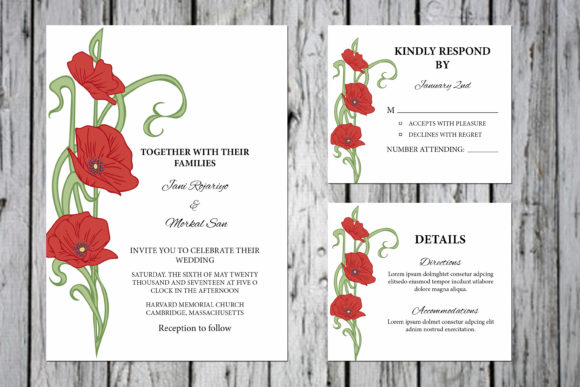
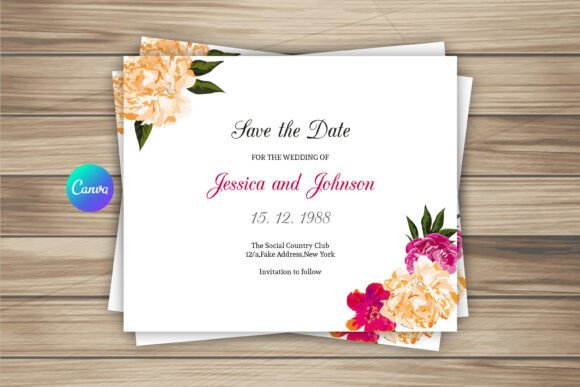
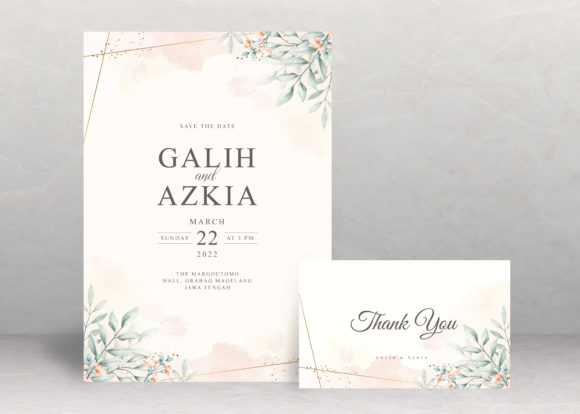
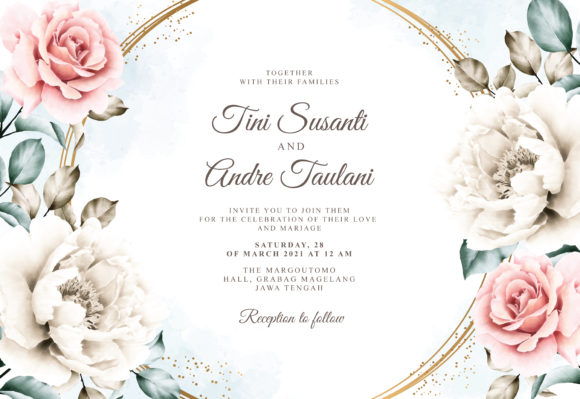
- Event Planning and Stationery: Wedding planners and DIY couples utilize these frames to create cohesive suites ranging from save-the-dates to menu cards. The editable nature allows for last-minute changes to dates or venues without redesigning the entire layout.
- Digital Marketing and Social Media: Content creators use floral borders to soften promotional graphics. The organic lines contrast effectively with the rigid grids of social media feeds, increasing stop-rate and engagement. Customizable colors ensure alignment with seasonal campaigns or product launches.
- Educational Materials: Teachers and tutors employ decorative frames to make worksheets and certificates more engaging for students. The visual warmth reduces the clinical feel of academic documents, fostering a more welcoming learning environment.
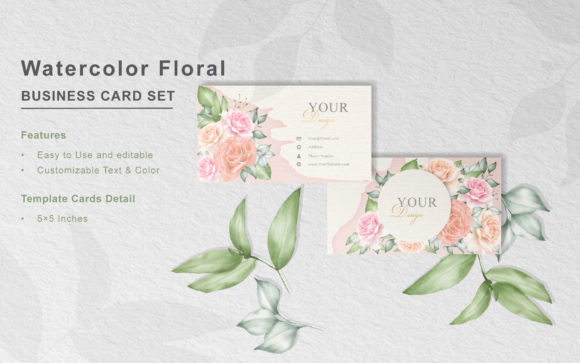
- Small Business Branding: Artisans, florists, and wellness practitioners use watercolor aesthetics to communicate natural, handcrafted values. An editable frame serves as a reusable template for price lists, thank-you notes, and packaging inserts.
Balancing Aesthetics with Readability
While floral frames are visually striking, they must never compromise legibility. A common pitfall when using ornate borders is overcrowding the central safe zone. Professionals understand that negative space is active space. When utilizing these editable backgrounds, it is advisable to test text placement at actual size before finalizing. What looks spacious on a 27-inch monitor may appear cluttered on a printed 5x7 card. The advantage of AI and EPS files is the ability to subtly reduce the opacity of inner petals or erase overlapping elements to create breathing room for critical information.
Color contrast also warrants careful consideration. While customizable text colors offer freedom, accessibility standards should guide selection. Light yellow text on a cream watercolor background may look elegant but fails WCAG guidelines for readability. Users should leverage the editing capabilities to choose shades that provide sufficient contrast ratios. Darker botanical tones paired with white or off-white text often yield the best balance of beauty and function. This thoughtful approach ensures that the design communicates effectively to all recipients, including those with visual impairments.
Technical Considerations and File Management
Maximizing the utility of these assets requires basic technical proficiency. Users should verify their software compatibility before beginning projects. While JPG files are universally accessible, unlocking the full potential of EPS and AI formats typically requires Adobe Illustrator, Affinity Designer, or similar vector editing software. Free alternatives like Inkscape can handle EPS files but may interpret complex watercolor gradients differently. Testing the file in your preferred environment prevents mid-project surprises.
File organization also impacts long-term efficiency. Because these assets are editable, saving a master copy separate from working files is essential. Overwriting the original template with client-specific edits eliminates future flexibility. A recommended workflow involves duplicating the source file for each new project variant. Additionally, embedding fonts or converting text to outlines before sending files to commercial printers avoids substitution errors. Even when using free fonts, print shops may not have them installed locally. Providing a flattened high-resolution JPG alongside the vector file serves as a reliable backup reference for color matching and layout verification.
When to Choose Alternative Solutions
Despite their advantages, editable watercolor frames are not universally optimal. Projects requiring photorealistic botanical accuracy or specific regional flora may necessitate custom illustration or photography instead. Generic watercolor assets capture a mood rather than botanical precision. Similarly, brands with strict minimalist identities might find ornate floral borders distracting. In such cases, geometric or abstract frames may align better with corporate guidelines.
Users should also assess their own skill level honestly. While marketed as easy to use, vector editing requires learning curve investment. Those uncomfortable with node editing or layer management might achieve faster results with Canva-compatible PNG versions or pre-formatted templates. However, for those willing to engage with the source files, the ceiling for customization and professional output is significantly higher. The decision ultimately hinges on the trade-off between convenience and creative control. For recurring design needs where uniqueness matters, the editable beautiful floral frame watercolor background offers a sustainable middle ground between stock simplicity and bespoke artistry.